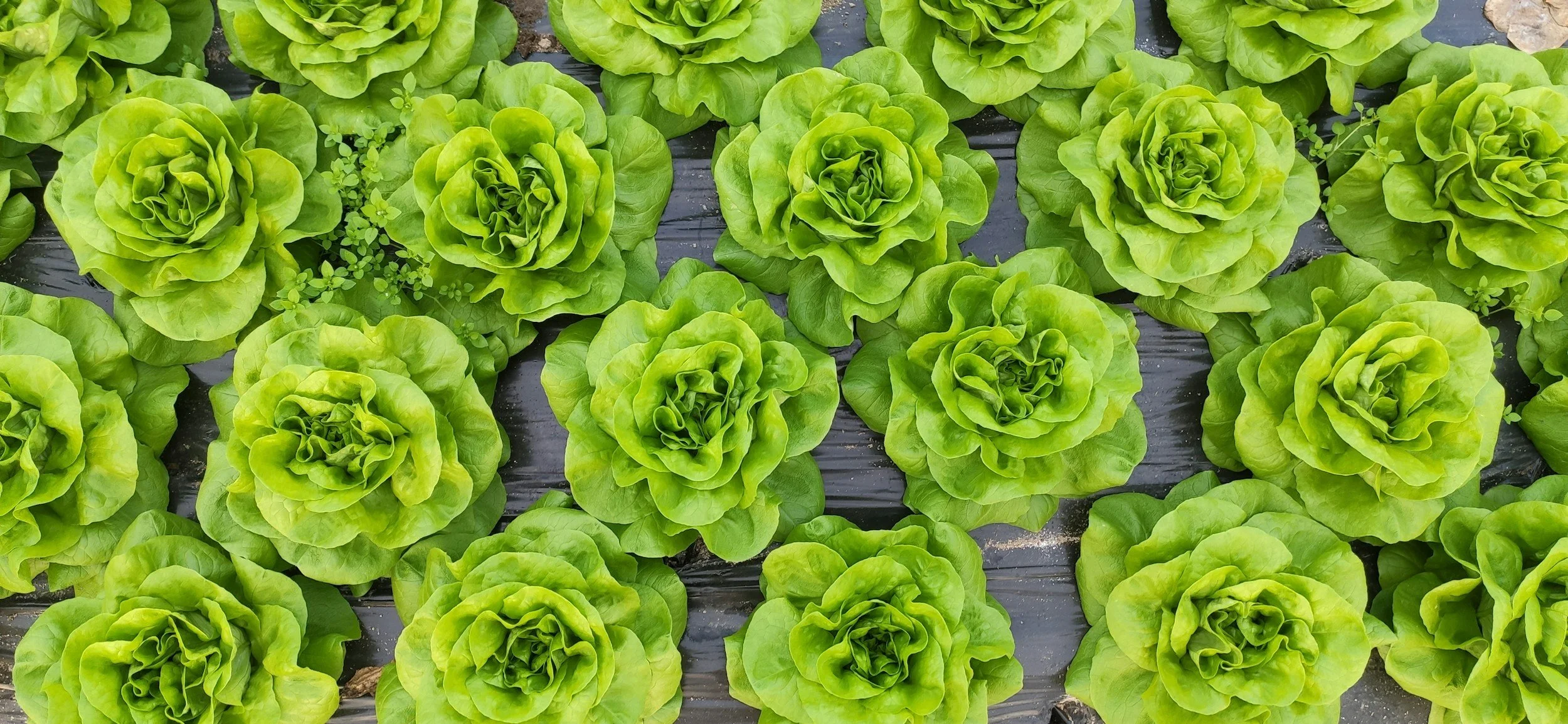
Growing lettuce requires attention to detail, as it thrives in cooler weather and well-drained soil. Here are the essential steps to successfully cultivate lettuce:
1. Choosing the Right Variety
Select a variety based on your climate and personal preference. Popular types include:
Butterhead: Known for its tender leaves.
Romaine: Offers a crisp texture.
Iceberg: A classic, crunchy option.
Looseleaf: Quick to harvest and easy to grow.
2. Soil Preparation
Lettuce prefers:
Soil Type: Light, well-draining soil rich in organic matter.
pH Level: Aim for a pH between 6.0 and 6.8.
Nutrients: Incorporate compost or a balanced fertilizer before planting to enhance soil fertility.
3. Planting
Timing: Plant lettuce in early spring or fall to avoid the heat of summer, which can cause bolting.
Spacing: Sow seeds about 1/4 to 1/2 inch deep, spaced 10 to 12 inches apart to allow for growth.
Methods: You can sow seeds directly in the ground or start them indoors and transplant them outside.
4. Watering
Lettuce requires consistent moisture. Water regularly, aiming to keep the soil evenly moist but not soggy. Drip irrigation or soaker hoses are effective methods to maintain moisture levels.
5. Sunlight
Lettuce prefers full sun to partial shade. Ideally, it should receive at least 6 hours of sunlight daily, particularly in cooler climates. In warmer areas, providing afternoon shade can help prevent bolting.
6. Pest and Disease Management
Monitor for pests such as aphids and slugs. Implement natural pest control methods like introducing beneficial insects and using organic sprays when necessary. Also, practice crop rotation to reduce the risk of soil-borne diseases.
7. Harvesting
Lettuce can be harvested at various stages:
Baby Greens: Pick younger leaves when they reach about 3-4 inches.
Mature Heads: Allow heads to mature fully, then cut them at the base.
8. Post-Harvest
Store harvested lettuce in the refrigerator within a plastic bag or in a container lined with paper towels to maintain freshness.
With proper care and conditions, growing lettuce can be a rewarding experience, yielding fresh greens for salads and meals throughout the season.